

Would Like the Latest Price?
Leave more about your requirements, like models, quantities, countries, etc.
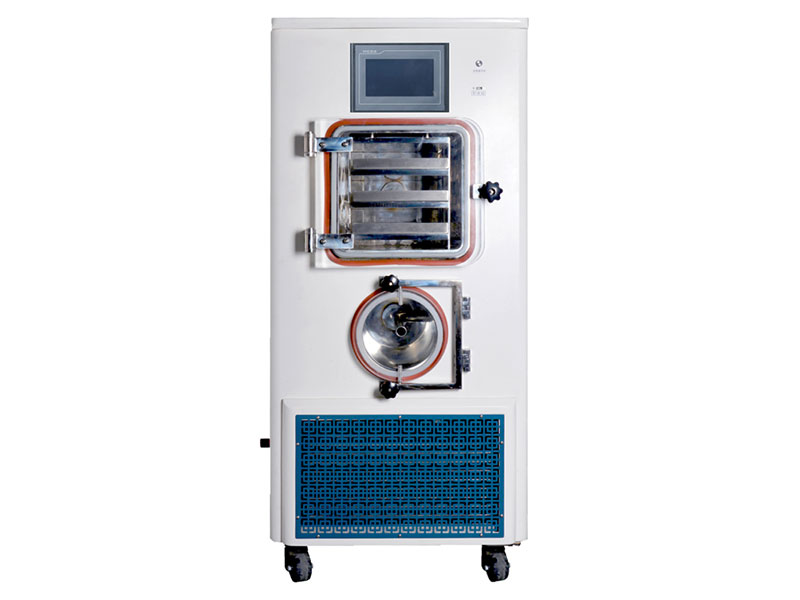
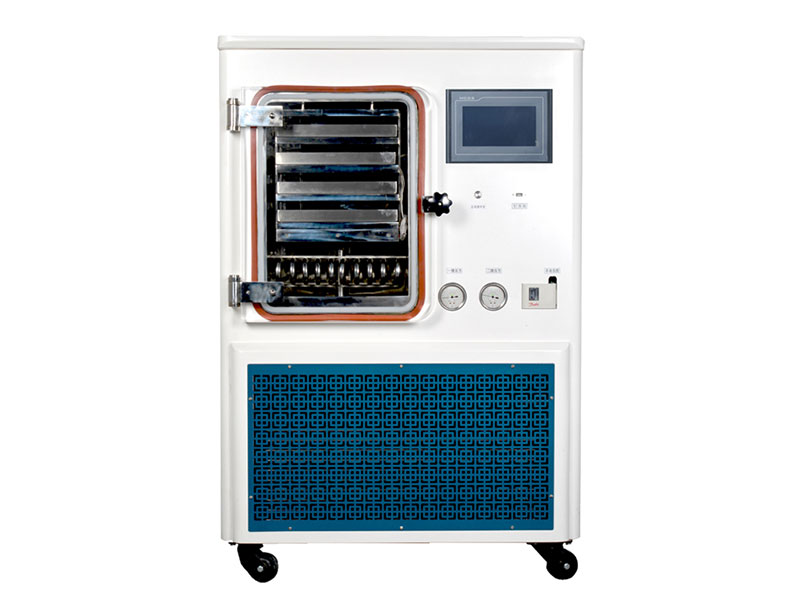
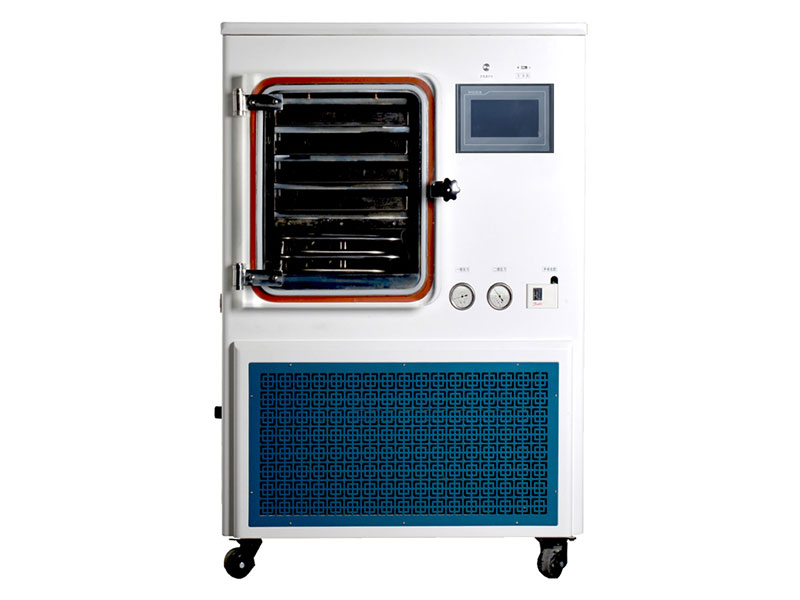
pharmaceutical freeze dryer is a high-precision, highly airtight, and traceable specialized freeze-drying device designed in strict accordance with pharmaceutical GMP clean production standards. With GMP aseptic cleanliness, ultra-high activity retention, precise and controllable parameters, data traceability, and high batch consistency as core design standards, pharmaceutical freeze dryers are specifically customized for heat-sensitive, highly active, and sterile pharmaceutical materials. It belongs to the highest-level, most stringent, and most compliant subcategory of lyophilization equipment. The equipment’s overall materials, sealing structure, temperature control accuracy, vacuum stability, cleanliness, and sterilization capabilities are all adapted to pharmaceutical aseptic production standards, primarily serving high-end scenarios such as pharmaceutical formulation production, biological product research and development, clinical sample preservation, and biomedical research. With the standardization and high-end development of the biomedical industry, pharmaceutical lyophilization equipment has become a core, essential piece of equipment for vaccine production, sterile injectable powders, biological protein preparations, enzyme preparations, probiotic drugs, rare bacterial strain preservation, and deep processing of high-quality Chinese medicinal herbs.

| Item | Model | ZLGJ-20 | ZLGJ-30 | ZLGJ-50 | ZLGJ-100 |
| Specification | Silicone Oil Heating | Silicone Oil / Electric Heating | Silicone Oil Heating | ||
| Capacity | Freeze-drying area | 0.3 m² | 0.4 m² | 0.6 m² | 1.0 m² |
| Ice collecting capacity | 4 kg/24h | 6 kg/24h | 8 kg/24h | 15 kg/24h | |
| Solution capacity | 3 L | 5 L | 6 L | 15 L | |
| 12 mm vials | 1300 | 2600 | 3690 | 7380 | |
| 16 mm vials | 810 | 1620 | 1940 | 3880 | |
| 22 mm vials | 430 | 860 | 1020 | 2040 | |
| Shelf length | 265 mm | 300 mm | 450 mm | 480 mm | |
| Shelf width | 395 mm | 345 mm | 320 mm | 360 mm | |
| Shelf spacing | 50 mm | 50 mm | 70 mm | 100 mm | |
| Number of shelves | 3 | 4 | 4 | 6 | |
| Basic Parameters | Shelf temperature | -50°C to 70°C | |||
| Minimum cold trap temp. | -70°C (No load) | -70°C (No load) | -80°C (No load) | -80°C (No load) | |
| Ultimate vacuum | 2 Pa (No load) | ||||
| Cooling method | Air cooled | ||||
| Defrost method | High-temperature defrost | ||||
| Standard Configuration | Storage/transport temp. | -40°C to 50°C | |||
| Relative humidity | ≤70% | ||||
| Ambient temperature | 10°C to 35°C | ||||
| Operating environment | No conductive dust, explosive/corrosive gas, or strong electromagnetic interference | ||||
| Overall dimensions | 594×718×1400 mm | 880×735×1320 mm | 1100×812×1425 mm | 1400×850×1725 mm | |
| Vacuum pump | 4 L/s | 6 L/s | 8 L/s | 16 L/s | |
| Main Hardware | Machine weight | 200 kg | 400 kg | 500 kg | 600 kg |
| Total power | 3.0 kW | 4.5 kW | 5.5 kW | 6.5 kW | |
| Main material | 304 Stainless Steel | ||||
| Viewing window | Acrylic | ||||
Leave more about your requirements, like models, quantities, countries, etc.
Most pharmaceutical active preparations and biological products are highly heat-sensitive materials. Temperature fluctuations, slight high temperatures, and oxidative environments can all lead to activity loss and efficacy reduction. Pharmaceutical freeze drying equipment operate at low temperatures throughout the entire process. The core sublimation stage maintains an ultra-low temperature environment, while the resolution stage involves a gradual, micro-heating process, eliminating any high-temperature thermal damage. This equipment can completely preserve the bioactivity and pharmacological structure of vaccines, antibodies, protein preparations, enzyme preparations, probiotics, and peptide drugs, with an activity retention rate approaching 100%, ensuring the effectiveness and safety of clinical medication.
The entire pharmaceutical freeze dryer is constructed of 316L medical-grade stainless steel, eliminating unsanitary corners, resisting corrosion, easy to clean, and preventing metal leaching. It is also equipped with a professional sterilization, dust removal, and antibacterial system, with extremely tight chamber sealing, achieving a Class A clean freeze-drying environment. The equipment supports clean in-place (CIP) and sterilize in-place (SIP) functions, thoroughly eliminating bacteria, spores, and microorganisms inside the chamber, preventing cross-contamination and the adhesion of other microorganisms, and fully meeting the GMP aseptic production standards for pharmaceuticals. It is suitable for the production requirements of injectable sterile pharmaceuticals and high-end biological products, and is a core guarantee for compliant mass production in the pharmaceutical industry.
High-end pharmaceutical freeze dryers are equipped with a fully automatic vacuum capping system as standard. After the freeze-drying process, the vials can be capped and sealed directly inside the high-vacuum sterile chamber. There is no need to open the caps to allow contact with outside air, completely isolating the vials from external moisture, bacteria, and dust contamination, thus preventing secondary contamination and spoilage of the pharmaceuticals at the source. This function is essential for the compliant production of injectable sterile powders, vaccine preparations, and high-end biological pharmaceuticals, ensuring the sterility of the drugs at the time of manufacture and their stability during storage.
The equipment is equipped with a medical-grade intelligent PLC traceability control system, featuring multiple pharmacopoeia standard freeze-drying process curves. It supports multi-stage gradient cooling, heating, vacuum fine-tuning, and customizable drying time. It can precisely match a dedicated freeze-drying process based on the eutectic point, thermosensitive properties, and formulation structure of different drugs. The equipment boasts extremely high temperature and pressure control precision, with minimal fluctuations in operating parameters. Multiple batches of produced drugs exhibit highly consistent moisture content, activity, and molding effects, meeting the standardization and consistency requirements of pharmaceutical mass production.
The pharmaceutical freeze dryer features full data recording, process curve storage, automatic parameter export, and tamper-proof functions. It can record core production parameters such as pre-freezing temperature, vacuum degree, heating gradient, drying time, and chamber cleanliness in real time. Data is permanently stored, traceable, and reproducible, fully adaptable to compliance scenarios such as pharmaceutical GMP audits, drug regulatory agency inspections, drug registration, and process approval. It is core hardware for standardization and transparency in pharmaceutical production.
Through a dual precision drying process, the moisture content of pharmaceutical materials is strictly controlled within an ultra-low range of 0.5% to 3%, fundamentally inhibiting the growth of microorganisms, bacteria, and mold, preventing drug spoilage, degradation, and inactivation. The aseptically sealed freeze-dried drugs can be stored for extended periods in a cool, dry environment at room temperature. No cold chain insulation is required, significantly reducing pharmaceutical warehousing and logistics costs. Furthermore, the reconstitution effect after long-term storage is excellent, with no decrease or change in efficacy, meeting the long-term stability requirements for drug distribution, clinical storage, and research sample retention.
Leave more about your requirements, like models, quantities, countries, etc.
Leave more about your requirements, like models, quantities, countries, etc.
The low-temperature aseptic freeze-drying process of pharmaceutical freeze dryers can completely preserve the biological activity and immunogenicity of various vaccines and biological products, significantly extending product shelf life. It also facilitates vaccine distribution, storage, and clinical use.
Liquid injectable drugs have short shelf lives, are prone to deterioration, and are inconvenient to transport. After aseptic freeze-drying, they are transformed into dry, sterile powders with extremely high stability when sealed. For clinical use, they only need to be reconstituted with sterile saline. The efficacy is completely consistent with the original liquid drug, with no component loss or activity reduction.
Pharmaceutical freeze dryers are used for the aseptic drying and preservation of various medical microbial strains, standard strains of pathogenic bacteria, cell tissues, serum, plasma, and clinical pathological samples. Freeze-drying preserves the activity of the strains and the physicochemical properties of the samples, preventing contamination, degradation, and mutation. It requires no continuous cold chain and allows for long-term standardized preservation.
Widely used in the drying and processing of high-end pharmaceutical raw materials such as enzyme preparations, probiotic drugs, collagen, polysaccharides, targeted drug intermediates, and medical aesthetic biological raw materials. The aseptic low-temperature process of pharmaceutical freeze dryers perfectly preserves the activity and effective components of raw materials, ensuring the efficacy and quality of downstream formulations.
Pharmaceutical freeze dryers are suitable for the freeze-drying of precious herbal medicines such as ginseng, cordyceps, dendrobium, and saffron, as well as various herbal extracts and formulation granules. It preserves the effective components, pharmacological activity, and original morphology of Chinese herbal medicines, improving the purity and efficacy stability of herbal medicines.
Leave more about your requirements, like models, quantities, countries, etc.
Absolutely not. Pharmaceutical freeze dryers prioritize GMP aseptic compliance, efficacy preservation, data traceability, and batch stability. They utilize medical-grade materials and are equipped with CIP/SIP sterilization, vacuum capping, and an anti-tampering data system. They far surpass the other two types of equipment in terms of temperature and pressure accuracy, cleanliness level, and safety. Specifically designed for sterile pharmaceutical preparations and biological products, they are the only freeze-drying equipment that complies with pharmaceutical production standards.
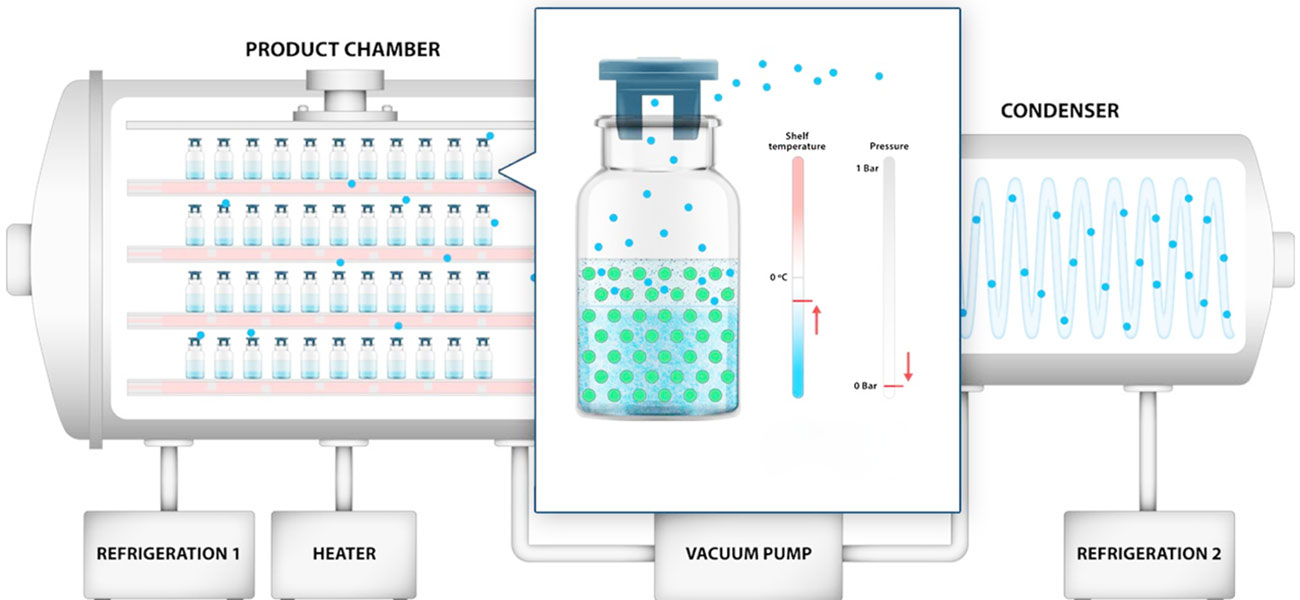
The core working logic of a pharmaceutical freeze dryer is to precisely pre-freeze liquid pharmaceuticals, biological products, and medical active samples at low temperatures, completely solidifying the free and bound water within the material into uniform and fine ice crystals. Then, in a high-vacuum, sterile, low-temperature, sealed clean chamber, the ice crystals sublimate directly into water vapor without melting, and are condensed and discharged, achieving deep dehydration and drying of the material under conditions of zero high temperature, zero oxidation, and zero pollution. Pharmaceutical materials processed by the pharmaceutical freeze dryer can have their moisture content precisely and stably controlled within the pharmaceutical industry standard of 0.5%~3%, fully preserving the drug’s biological activity, active ingredients, and molecular structure. The sterility level is met, and after sealing and capping, long-term storage at room temperature or low temperature in the dark is possible. After reconstitution, the efficacy remains stable with no component loss, fully meeting the stringent standards of clinical drug use, mass production of pharmaceuticals, and scientific research experiments.
The vast majority of vaccines, injectable powders, biological preparations, and enzyme preparations are highly heat-sensitive and highly active materials, extremely sensitive to temperature, oxygen, and microorganisms. Ordinary drying processes cannot meet their production requirements. Conventional drying and atmospheric pressure drying require temperatures above 60℃, which directly damages the protein structure, active factors, and active ingredients of pharmaceuticals, leading to complete drug inactivation and zero efficacy. Simultaneously, the aerobic environment at atmospheric pressure causes oxidative degradation and bacterial growth, resulting in substandard sterility and serious medication safety hazards. In contrast, pharmaceutical freeze dryers operate at low temperatures and in a vacuum, sterile environment throughout the entire process, eliminating high-temperature heat damage, oxidative deterioration, and bacterial contamination, thus fully preserving the biological activity and pharmacological efficacy of pharmaceuticals. Furthermore, the process is standardized, data is traceable, and batch consistency is high, resulting in sterile, safe, and stable-efficacy finished products with a long shelf life. It is currently the only drying process suitable for the production of high-end sterile pharmaceutical preparations.
1). Vaccines, bacterial vaccines, toxins, and other preventative biological products.
2). Antibiotics, antivirals, and nutritional injectable sterile powders.
3). Antibodies, peptides, enzyme preparations, probiotics, and other bioactive preparations.
4). Clinical research samples such as serum, plasma, bacterial strains, and cell tissues.
5). High-end medicinal materials such as precious medicinal herbs, extracts of medicinal herbs, and granules of medicinal herbs.
6). Unsuitable materials mainly include: pure oil-based medical raw materials, ordinary chemical and pharmaceutical raw materials that are stable at high temperatures and do not require preservation of activity, and highly corrosive, volatile, or corrosive reagents that can damage medical-grade cavities.
The single-batch operation cycle of a pharmaceutical freeze dryer is generally 12-24 hours, much longer than that of ordinary food freeze drying. This is primarily due to the high activity and compliance requirements of pharmaceutical materials.
For conventional vials of pharmaceuticals and ordinary probiotic preparations, the cycle time is 12-16 hours under standard loading.
For highly active materials such as vaccines, protein peptides, and enzyme preparations, to preserve activity, ensure thorough drying, and eliminate residual moisture, a gradient slow freeze-drying process is required, with a cycle time of 16-20 hours.
High-end biological agents, stem cell samples, and rare bacterial strains require more stringent process parameters, with cycle times reaching 20-24 hours.
The shelf life of freeze-dried pharmaceuticals depends primarily on four factors: moisture content, sterility, sealing effect, and storage environment.
Moisture content is the core factor, only by strictly controlling the moisture content of the drug within the ultra-low range of 0.5% to 3% can microbial growth and component degradation be inhibited at the source.
Aseptic production processes eliminate residual bacteria, preventing later contamination and spoilage.
Vacuum aseptic capping seals isolate external moisture, oxygen, and bacteria, preventing secondary contamination.
Cool, dark, dry, and temperature-controlled storage environments prevent activity degradation caused by high temperatures and light exposure.
The core requirements for selecting a freeze drying equipment for new drug development are process debugging, small-scale pilot production, and flexible parameter adjustment. Prioritize small, high-precision R&D-grade pharmaceutical freeze dryers.
Firstly, during the R&D stage, materials are scarce and sample volumes are small, requiring small-cavity, micro-volume models to avoid material waste.
Secondly, since the parameters of the new drug formulation are unknown, the equipment needs to support wide-range temperature and pressure adjustment, multi-stage gradient process customization, and curve storage and review to facilitate the exploration of optimal freeze-drying parameters.
Finally, the R&D model needs to have high-precision data traceability capabilities to retain experimental data for new drug process approval, achievement declaration, and clinical data compilation.
The core selection criteria are the sterility level and sealing requirements of the drug. For sterile injectable drugs and highly active pharmaceutical ingredients, capped models are essential. For general medical raw materials and research samples, general medical models are suitable, strictly adhering to production compliance requirements.
Fully automatic vacuum capped pharmaceutical freeze dryers are primarily suited for vial-packaged injectable powders, vaccines, antibodies, peptides, and other sterile, highly active pharmaceutical ingredients.
General non-capped medical freeze drying machine lack automatic sealing functionality and are suitable for non-injectable pharmaceutical materials, such as traditional medicine decoction pieces, general medical raw materials, research samples, and small-scale non-sterile preparations, meeting basic medical drying needs and offering better cost-effectiveness.
Pharmaceutical freeze dryers are high-precision sterile equipment, and their energy consumption is higher than that of ordinary food freeze dryers. Their energy consumption is mainly concentrated in three modules: ultra-low temperature refrigeration, high-precision vacuum system, and online sterilization. Mass production equipment has relatively higher energy consumption.
Vacuum stability is the core foundation for compliant pharmaceutical freeze-drying processes and ensuring drug quality standards. Even slight fluctuations can trigger batch quality incidents. Vacuum levels below the standard or excessive fluctuations disrupt the triple point sublimation conditions of water, causing ice crystals to melt, resulting in drug collapse, stratification, substandard fluffiness, and unacceptable appearance. Simultaneously, unstable vacuum leads to uneven drying, localized moisture residue, excessive drug moisture content, and subsequent rehydration, mold growth, activity reduction, and efficacy loss during storage. Furthermore, vacuum fluctuations increase the oxygen content in the chamber, causing oxidative degradation of highly active drugs, resulting in component changes, decreased purity, and failure to meet pharmacopoeia standards. Therefore, pharmaceutical freeze dryers must be equipped with a high-precision, stable vacuum system, ensuring controllable pressure fluctuations throughout the process and guaranteeing stable mass production.